Buying Horse Property in Wellington
How seasonal competition, discipline, turnout, drainage, staff logistics, and proximity influence equestrian property decisions in Wellington and western Palm Beach County.
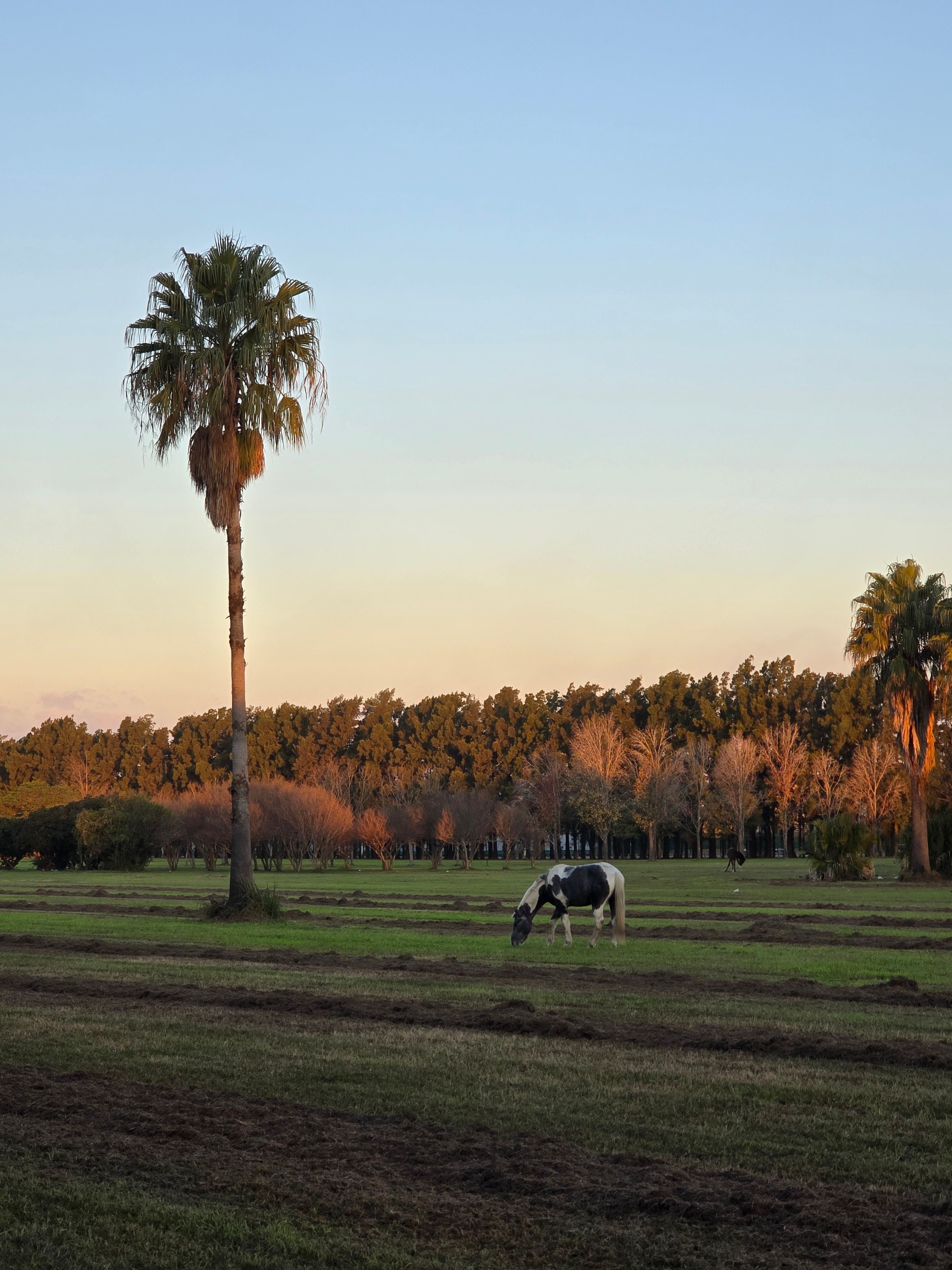
Wellington, Florida
TL;DR
Wellington-area horse property is shaped by discipline, seasonal competition, staff and horse logistics, and proximity to the buyer’s working equestrian network. Turnout, drainage, barn and arena function, trailer movement, and operating costs should be evaluated alongside location rather than after it.
Wellington equestrian real estate doesn’t behave like most other horse-property markets, and buyers coming from acreage-driven regions elsewhere in the country often bring the wrong instincts with them. This isn’t a market built around grazing land and expansive pasture. It’s built around proximity, facility quality, and the operational logistics of a seasonal competition circuit — and that changes almost everything about what makes a property good.
Wellington itself, the Wellington Equestrian Preserve, Loxahatchee Groves, and the broader western Palm Beach County corridor all factor into a serious search, and a buyer who understands how they differ is working from a much stronger position than one shopping purely within municipal lines.
Why Wellington Functions Differently From a Conventional Horse-Property Market
In most equestrian markets, acreage is close to the whole conversation. In Wellington, it’s one factor among several, and often not the deciding one. Proximity to competition venues, arena and footing quality, stall capacity, and staff logistics frequently matter more than another acre of open ground. In Wellington, five minutes of lost trailer time can matter more than another acre of decorative lawn.
That’s a function of how the market actually operates: a dense concentration of professional and serious amateur sport-horse activity, much of it tied to a winter competition season that draws trainers, owners, and competitors from across the country and internationally. Properties here are frequently built and evaluated as operating facilities first, residences second — the inverse of how many buyers coming from other equestrian regions are used to thinking.
Wellington, Loxahatchee Groves, and the Broader Western Palm Beach County Search
Wellington, and specifically the area within and around the Wellington Equestrian Preserve, holds the highest concentration of proximity-driven demand — properties valued heavily for how close they sit to major competition venues and the infrastructure clustered around them.
Loxahatchee Groves matters for buyers who need more acreage, a different property configuration, or simply more separation than Wellington proper typically allows, while remaining within reach of the same competition and training infrastructure. Private farms, training facilities, and other equestrian uses that don’t fit as easily within Wellington’s denser preserve areas often end up here instead.
Royal Palm Beach factors into the search as part of the broader western Palm Beach County area, offering another option for buyers working outside Wellington’s core.
West Palm Beach functions primarily as regional orientation — access to airports, services, and the wider metropolitan area — rather than equivalent horse-farm territory. It’s worth understanding as part of the region’s geography without treating it as an equestrian market in its own right.
Serious buyers in this corridor often end up searching by facility type and competition access rather than by city limits alone, because the practical difference between a property in Wellington and one just across a municipal line in Loxahatchee Groves or Royal Palm Beach can come down entirely to what the facility itself offers, not which town it’s technically in.
Hunter/Jumper, Dressage, Polo, and Professional Sport-Horse Needs
Wellington’s identity as a sport-horse market is inseparable from the disciplines that drive its seasonal demand: hunter/jumper, show jumping, dressage, and polo all have a substantial presence here, alongside equitation and a wide range of professional and amateur competitors. Facilities associated with these disciplines — competition barns, training operations, sales barns, and boarding facilities — make up a meaningful share of the market’s inventory.
Not every property here is used professionally, and not every buyer is a competitor. Private owners, seasonal residents, and buyers with no competitive ambitions at all are part of this market too. But the professional and competitive side of the industry shapes what infrastructure exists and what buyers should expect to evaluate, even on properties intended for purely private use.
How Seasonal Competition Changes the Real Estate Search
Wellington’s winter competition season creates buyer patterns that don’t really exist in year-round equestrian markets elsewhere. Some buyers are full-time residents. Others are seasonal competitors who need a property that functions well for a concentrated stretch of the year and can sit quieter the rest of the time. Trainers relocating a full operation for the winter circuit have different needs than an owner who simply wants horses nearby during competition season. Investors holding equestrian property as part of a broader portfolio evaluate it differently still.
These different situations change what actually matters in a property. A trainer running client horses through the season needs enough stalls, adequate groom housing, and a layout that supports daily operational flow without bottlenecks. A seasonal owner may prioritize proximity to venues and arena quality over stall count. A buyer relocating an operation from another state needs to evaluate whether the facility can actually support the same scale and type of work at a new location, not just whether it looks similar. Understanding which of these situations describes your own search changes which properties are worth touring at all.
Barns, Arenas, Footing, Drainage, Turnout, and Staff Logistics
A property in Wellington should be evaluated the way an operating facility is evaluated, not the way a residence with stalls attached would be. Worth assessing directly rather than assuming from listing photos:
- Barn layout and stall count — aisle width, wash areas, grooming space, and whether the configuration supports the number of horses you actually intend to keep
- Ventilation, fans, and backup power — essential in South Florida’s climate, and a common point of underinvestment on properties that otherwise look complete
- Arena dimensions and footing — covered versus outdoor, dressage versus jumping configuration, and what’s actually underneath the surface footing, not just how it looks on a dry day
- Drainage and irrigation — given regional rainfall patterns, drainage quality affects both arena usability and daily turnout far more here than in drier climates
- Turnout and paddock layout, including dry lots where full pasture isn’t practical or available
- Trailer circulation and truck access — narrow or awkward layouts create daily friction that compounds over a full competition season
- Manure handling, feed, and bedding storage — routine but directly tied to how efficiently a farm actually runs
- Horse-walker or treadmill placement, where present, and how well they integrate into daily flow
- Staff or groom housing — a real factor for any operation beyond a strictly private one
- Electrical capacity and water supply — worth confirming directly rather than assuming a property can support additional equipment or higher horse counts than its current use
A beautiful barn is not enough if drainage, footing, staff flow, and trailer access are wrong. A property can present beautifully in photographs and still function poorly as a daily operation, and the buyers who evaluate the operational details, not just the visual ones, are the ones who end up with facilities that actually work through a full season.
South Florida Climate, Storms, and Infrastructure
Maintaining horses and facilities in South Florida means building around heat, humidity, and heavy seasonal rainfall as a matter of course, not an occasional inconvenience. Ventilation, shade, and water management all need to hold up under conditions more demanding than most other equestrian markets face. Arena footing and drainage systems that work in a drier climate can perform very differently here.
Storm preparation is a real and recurring consideration, not a remote one. Backup power, roof condition, barn construction standards, and property access during severe weather are all worth evaluating directly on any property under serious consideration, along with realistic flood exposure for that specific parcel. None of this should be assumed from a property’s general area or its neighbors’ experience — flood, insurance, building, and zoning information should be verified directly for the property itself before a purchase decision is made.
Private Equestrian Residences Versus Professional Training Facilities
“Wellington equestrian property” covers a wide range of very different assets, and it’s worth being clear-eyed about which category actually fits your situation:
- Private horse residences — personal-use properties built around a small number of horses
- Seasonal equestrian homes — properties designed around part-of-the-year use during competition season
- Professional training farms — built around a working training operation and client horses
- Hunter/jumper and dressage facilities — configured around the specific arena and footing needs of those disciplines
- Polo properties — with their own distinct facility requirements
- Boarding operations and sales barns — commercial in nature, with corresponding zoning and infrastructure needs
- Competition barns — built primarily around proximity to major venues and short-term operational intensity
- Luxury equestrian estates — combining a high standard of residence with serious equestrian facilities
- Smaller, high-efficiency facilities — compact properties designed to do a lot with limited acreage, common in the denser parts of the market
Confusing these categories is one of the more common and costly mistakes buyers make here, because a facility built for one purpose can be genuinely unsuitable for another, even when the acreage and general appearance look similar.
Why Operational Efficiency Matters as Much as Appearance
Because Wellington properties are frequently smaller and more operationally intensive than equestrian properties in acreage-driven markets elsewhere, efficiency carries more weight here than it might in a region built around expansive pasture. Arena quality, stall count, staff logistics, and venue access often matter more to a serious buyer than another acre of grazing land — a genuine difference from markets like Ocala, Lexington, Tryon, or Middleburg, where acreage and grazing capacity typically carry more weight in the evaluation.
That doesn’t make one type of market better than another. It means the criteria for evaluating a good property in Wellington are specific to how this market actually functions, and applying acreage-first instincts from a different equestrian region can lead a buyer toward the wrong property here.
Finding the Right Property Specialist
This page exists to help serious buyers understand how the Wellington-area equestrian market actually functions before evaluating individual properties — not to serve as the listing brokerage for any property in it. Not every equestrian agent understands professional sport-horse operations equally well, and the right specialist for a private buyer looking for a seasonal residence is not the same as the right specialist for a training operation, a competition barn, or a buyer relocating a full program from another state.
If you’re evaluating equestrian property anywhere across Wellington, the Wellington Equestrian Preserve, Loxahatchee Groves, Royal Palm Beach, or the broader western Palm Beach County corridor, we can help identify a real estate professional whose experience matches your intended use, your discipline, and the specific type of facility you’re searching for.
Talk through the assignment
Find an agent who understands this kind of property.
Tell Dalton the location, your intended use, and the details that cannot be compromised. He will help connect you with a knowledgeable equestrian real estate professional whose experience fits the property.
Describe what you need