Guthrie Equestrian Real Estate
What western-performance buyers should evaluate around Guthrie, from arenas and cattle pens to fencing, water, trailer access, weather, and working-ranch infrastructure.
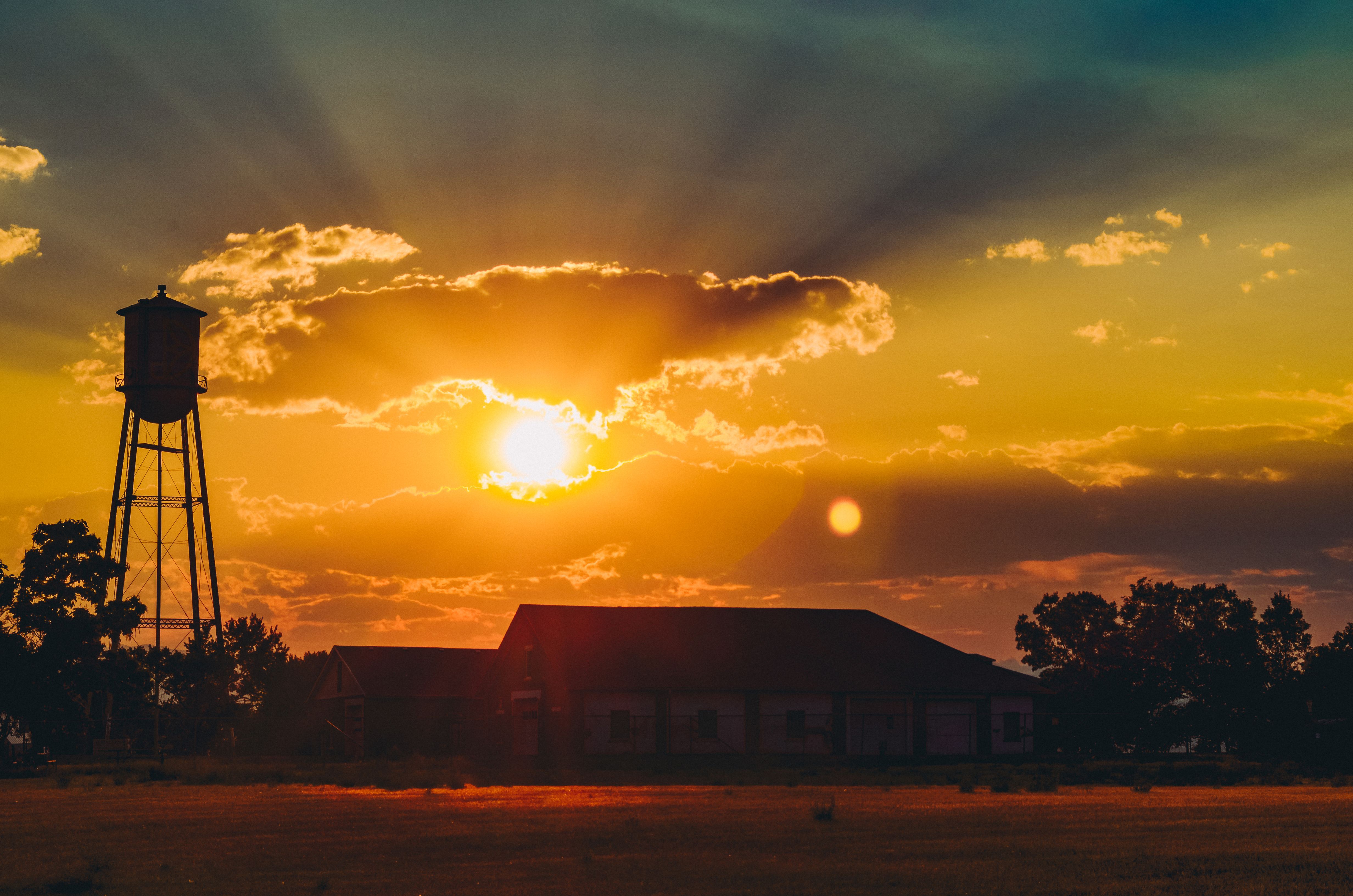
Guthrie, Oklahoma
TL;DR
Guthrie-area equestrian property should be evaluated around the needs of the horse program, particularly for western-performance and working-ranch use. Arena dimensions, cattle facilities, fencing, water, weather exposure, trailer circulation, and access to the broader central Oklahoma market can matter more than the house.
Guthrie equestrian real estate rarely stays inside Guthrie city limits once a buyer actually starts touring properties. Logan County surrounds the city with the acreage, arenas, and working infrastructure that a serious horse or ranch buyer usually needs, and the practical search extends south toward Edmond and Oklahoma City and out through Crescent, Cashion, Mulhall, and Seward. Understanding that corridor — not just the city of Guthrie — is where a real search should start.
This is a market with a strong western-performance identity, shaped by Quarter Horses, rodeo disciplines, and working ranch culture, but it isn’t limited to that. Private owners, trail riders, and buyers with no interest in competition or cattle work are part of this market too, and the property considerations below apply across all of them.
Guthrie Sits Within a Larger Central Oklahoma Market
Guthrie is the seat of Logan County, positioned along the I-35 corridor north of Oklahoma City and Edmond. That location matters for equestrian buyers specifically: Logan County offers larger acreage and more working horse infrastructure than the denser, faster-growing areas closer to Oklahoma City, while remaining close enough to draw on the services, veterinary access, and equestrian events concentrated in the metro area.
A buyer searching only within Guthrie’s city limits is working with a narrower slice of the market than one willing to look across Logan County as a whole. Ranches, training facilities, and larger horse properties are frequently found outside the city itself, on acreage that simply isn’t available inside town.
Guthrie, Logan County, Edmond, and the Oklahoma City Relationship
Logan County is central to this search, not a secondary consideration. Larger acreage, ranch-style properties, training facilities, and working horse setups are more commonly found here than inside Guthrie’s city limits, and buyers prioritizing space and infrastructure over in-town convenience typically end up focused on the county as a whole.
Edmond functions as an important nearby population and service center — a source of veterinary care, farriers, feed suppliers, and other equestrian services — but buyers seeking larger horse properties often find themselves expanding north toward Guthrie and rural Logan County instead, where acreage is more available and less constrained by suburban growth.
Oklahoma City anchors the region for employment, services, equestrian and livestock events, and broader buyer recognition. It’s a major regional presence, but it isn’t the center of this particular search — Guthrie and Logan County represent a distinct market with their own character, not a satellite of the metro area.
Crescent, Cashion, and Mulhall extend the search further into rural Logan County, useful for buyers looking for acreage, ranch settings, pasture, or purpose-built equestrian facilities beyond what’s available closer to Guthrie itself.
This isn’t a case of one area being better than another. Oklahoma City and Edmond provide regional recognition and services, while Guthrie and Logan County represent a more natural search area for buyers prioritizing acreage, arenas, barns, cattle facilities, and working horse infrastructure. The right starting point depends on what the buyer actually needs from the property, not on which name is most familiar.
Rodeo, Quarter Horses, and Western-Performance Property Needs
Guthrie and the surrounding Logan County area sit firmly within Oklahoma’s western-performance and rodeo culture. Quarter Horses are central to the region’s equestrian identity, and disciplines including team roping, calf roping, breakaway roping, barrel racing, cutting, reining, working cow horse, and ranch sorting all have an active presence here, supported by trainers, breeders, and a regional rodeo and performance-horse circuit that includes recognized infrastructure like Lazy E Arena and the equine and livestock events held in and around Oklahoma City.
Not every property in this market is built for rodeo, and not every buyer is a competitor. Private horse ownership, breeding, trail and recreational riding, general training, boarding, and ranch horses kept without any competitive purpose all coexist alongside the western-performance side of the market. The strength of the region’s rodeo and performance-horse culture shapes the infrastructure and expertise available here, not the requirements of every individual buyer.
How Intended Horse Use Changes the Property Search
What a buyer plans to do with a property changes almost everything about what makes it a good fit. A private owner keeping a few horses for personal riding has different needs than:
- a roping or barrel-racing competitor, who needs an arena sized and configured for that discipline, along with reliable footing and adequate warm-up space,
- a cutting or reining rider, whose arena and footing needs differ from a roping setup,
- a rancher running cattle alongside horses, who needs pens, chutes, alleys, and cattle-handling infrastructure in addition to horse facilities,
- a training operation, with the working infrastructure and often the commercial-use considerations that come with client horses and regular traffic,
- a breeding operation, with barn and turnout configurations suited to broodmares and young stock,
- or a buyer purchasing raw acreage with future improvements planned, rather than a fully built-out facility today.
A property with excellent pasture and a functional roping arena might be exactly right for a competitor and largely irrelevant to a buyer who simply wants a few acres for personal horses with no interest in arena work at all. Being specific about intended use before touring properties determines which features actually matter.
Arenas, Barns, Cattle Pens, Fencing, Water, and Trailer Access
Horse property in this region should be evaluated as an operating system, not simply acreage with a house and barn attached. A roping property can have plenty of acreage and still fail if the arena, cattle flow, and trailer circulation are poorly designed.
Worth assessing directly, on the ground:
- Usable acreage versus total acreage — pasture quality, terrain, and existing infrastructure all affect how much of the listed acreage actually functions for horses or cattle
- Arena size, configuration, and footing — covered versus uncovered, roping boxes, return alleys, and warm-up space, evaluated against your specific discipline rather than a generic standard
- Cattle pens, chutes, alleys, and sorting or holding areas — relevant for roping, sorting, and working cow horse use, and often the difference between a property that functions smoothly and one that creates daily friction
- Fencing and cross fencing — pipe fencing and other horse-safe construction, along with whether cross fencing supports the pasture rotation or cattle management you actually need
- Water supply — wells, ponds, and creeks, and whether supply holds up for both horses and any cattle on the property
- Trailer and truck access — circulation for horse trailers and livestock rigs, turning radius, and parking near barns and pens
- Barn and arena placement relative to pens and pasture — efficiency between these areas matters more than any one feature in isolation
- Lighting and drainage in and around arenas — a covered arena adds little operational value if the footing, drainage, lighting, or access are wrong
- Hay and equipment storage, and manure management — routine but directly tied to daily function
- Shade, shelter, and wind exposure — meaningful given the region’s climate
- Caretaker or trainer housing — relevant for any operation beyond a strictly private one
Central Oklahoma Land, Weather, and Infrastructure
Central Oklahoma’s climate is a real factor in evaluating any horse or ranch property here, not an afterthought. Heat, wind, and severe weather — including thunderstorms, hail, and tornado exposure — are part of ordinary property planning in this region, alongside periods of drought and heavy rainfall that can affect pasture, drainage, and arena maintenance in different seasons.
None of this should be treated as a reason for alarm, but it is a reason for direct due diligence. Fencing maintenance, arena drainage, backup power, and general storm preparation are worth evaluating on any specific property, and buyers should verify insurance, flood, storm, and utility conditions directly rather than assuming them from the surrounding area’s general reputation.
Private Horse Properties Versus Professional Training and Ranch Operations
“Guthrie horse property” covers a genuinely wide range of assets, and it’s worth being clear about which category actually fits your situation:
- Small private horse properties and hobby farms — personal-use acreage without a working operation attached
- Rodeo, roping, and barrel-racing properties — built around arena work and the specific infrastructure those disciplines require
- Western-performance training farms — configured around a working training program and client horses
- Breeding farms and Quarter Horse operations — built around broodmares, young stock, and the barn configurations that support them
- Cattle-and-horse properties and working ranches — combining equestrian and livestock infrastructure in a single operation
- Equestrian estates — a higher standard of residence paired with serious equestrian or ranch facilities
- Raw acreage intended for future horse improvements — land purchased without a built-out facility, with development planned later
Confusing these categories, or assuming a property built for one purpose will suit another, is a common and costly mistake in a market this varied.
Why Western-Performance Property Requires Specialized Evaluation
Western-performance and rodeo properties require a different kind of evaluation than a conventional acreage purchase, or even a sport-horse property in another region. Arena configuration, cattle-handling infrastructure, trailer and livestock-rig circulation, and the daily flow between barn, arena, pens, and pasture all matter in ways that a generic residential or acreage evaluation won’t capture. A property that photographs well and carries plenty of acreage can still be poorly suited to roping, sorting, or ranch work if that underlying flow was never designed with those uses in mind.
Finding the Right Property Specialist
This page exists to help serious buyers understand how the Guthrie and Logan County equestrian market actually functions before evaluating individual properties — not to serve as the listing brokerage for any property in it. Not every rural agent is qualified to evaluate equestrian facilities, and the right specialist for a private buyer looking for a small personal horse property is not the same as the right specialist for a roping arena, a working ranch, or a breeding operation.
If you’re evaluating equestrian property anywhere across Guthrie, Logan County, Edmond, Crescent, Cashion, Mulhall, Seward, or the broader Central Oklahoma corridor, we can help identify a real estate professional whose experience matches your intended use, your discipline, and the specific type of property you’re searching for.
Talk through the assignment
Find an agent who understands this kind of property.
Tell Dalton the location, your intended use, and the details that cannot be compromised. He will help connect you with a knowledgeable equestrian real estate professional whose experience fits the property.
Describe what you need